
On-Page SEO Services in Pakistan That Help Your Website Rank
Your website may have great products, useful services, and strong content. But if search engines cannot understand your pages, reaching the right audience becomes harder. That’s where on-page SEO comes in.
At Gulf Digital Core, we help businesses improve their website pages through smart, data-driven SEO. We work on content, keywords, page structure, internal links, and other key elements that affect search visibility.
Our goal is simple: make your website easier to understand, more useful to visitors, and better aligned with what people search for.
Whether you run a small business, an online store, or a large website, our on-page SEO services help you build a stronger base for organic growth.
Want to know what’s holding your website back? Contact Gulf Digital Core for an on-page SEO review.
What Are On-Page SEO Services?
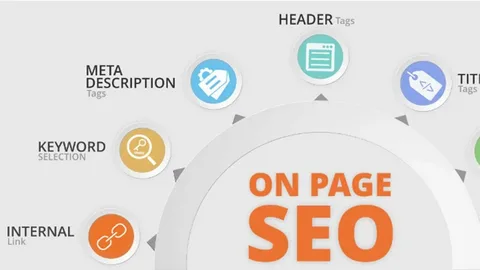
On-page SEO is the process of improving the elements within a website page to help search engines understand its content and purpose.
It also helps visitors find the information they need.
This work covers several areas, including:
Page titles and meta descriptions.
Headings and content structure.
Keyword use and search intent.
Internal links.
Image names and alt text.
URL structure.
Content quality and relevance.
Structured data where relevant.
Each page needs a clear purpose. Its content should answer the user’s question and match the reason behind their search.
For example, someone searching for an SEO agency wants to compare service providers. They do not need a long article explaining the history of search engines.
Good on-page SEO connects the right page with the right search intent.
Why Does On-Page SEO Matter?
A website can have hundreds of pages and still struggle to gain organic traffic.
The problem may not be the number of pages. It may be how those pages are built and connected.
On-page SEO helps fix these issues.
It Helps Google Understand Your Pages
Search engines use page content, headings, links, and other signals to understand what a page covers.
A clear structure makes this job easier. It also helps search engines connect your content with relevant searches.
It Brings More Relevant Organic Traffic
Ranking for every keyword is not the goal.
You want visitors who need your products or services.
We align page content with search intent. This helps your website attract people who are more likely to take action.
It Improves the User Experience
Visitors should not have to work hard to find useful information.
Clear headings, short paragraphs, helpful links, and easy navigation make pages easier to use.
It Supports Your Other SEO Efforts
On-page SEO works alongside technical and off-page SEO.
A technically sound website needs useful content. Strong backlinks need relevant pages to point to.
When these parts work together, your website has a better base for long-term search growth.
Our Professional On-Page SEO Services
Every website has different needs. A local service website does not need the same work as a large ecommerce store.
We review your pages, find areas for improvement, and build a plan around your business goals.
1. Keyword Research and Search Intent Analysis
Good optimization starts with understanding what your audience searches for.
We research relevant keywords based on your services, products, market, and target customers.
But we do not focus on search volume alone.
We also study search intent. This helps us understand what users expect when they enter a query into Google.
Our keyword research process covers:
Primary and secondary keywords.
Commercial and informational searches.
Long-tail keyword opportunities.
Competitor keyword gaps.
Search intent analysis.
Keyword grouping by topic.
This gives each page a clear target and reduces the risk of keyword overlap.
2. Keyword-to-URL Mapping
One common SEO problem is keyword cannibalization.
This happens when multiple pages target the same search intent and compete with each other.
We review your website structure and assign suitable keyword groups to the right pages.
For example, your main on-page SEO service page should target commercial searches. A supporting blog post can cover informational topics, such as an on-page SEO checklist.
This gives every page a clear role within your website.
3. SEO Title and Meta Description Optimization
Your page title tells search engines and users what a page is about.
Your meta description gives searchers more context about its content.
We write clear, relevant titles and descriptions that reflect the page topic and encourage useful clicks.
Our work includes:
Writing unique page titles.
Improving meta descriptions.
Placing the main keyword naturally.
Removing duplicate metadata.
Matching titles with page content.
Improving weak or unclear search snippets.
We focus on relevance rather than forcing keywords into every sentence.
4. Heading Structure Optimization
Headings help readers understand how a page is organized.
They also give search engines useful context about its sections.
We review your H1, H2, and H3 headings to create a clear content hierarchy.
Each heading should describe the section that follows it.
We also remove vague headings and repeated keyword variations that add no value.
A well-structured page is easier to scan, read, and understand.
5. SEO Content Optimization
Content optimization is one of the most important parts of on-page SEO.
But adding more words does not always make a page better.
Your content should answer real questions and cover the topic in enough detail to help the reader.
We review your existing content for:
Search intent alignment.
Missing information.
Weak introductions.
Repeated ideas.
Keyword placement.
Topic coverage.
Readability.
Content gaps.
We improve the page while keeping its original purpose clear.
Where needed, we recommend new content or rewrite sections that no longer serve the reader.
6. Semantic SEO and Entity Optimization
Search engines do not rely on exact keyword matches alone.
They also use context to understand the subject of a page.
Semantic SEO helps build that context.
For example, an on-page SEO page may naturally discuss:
Keyword research.
Search intent.
Title tags.
Meta descriptions.
Internal linking.
Content optimization.
Structured data.
Google Search Console.
These topics are connected to the main service.
We use relevant concepts and entities to improve topic coverage. We do not add unrelated terms just to make a page look more optimized.
The aim is to create content that makes sense to both people and search systems.
7. Internal Linking Optimization
Internal links connect pages within your website.
They help visitors find related information. They also help search engines discover pages and understand how your content is connected.
We review your internal linking structure and find useful linking opportunities.
Our work includes:
Linking related service pages.
Connecting blogs with relevant services.
Fixing broken internal links.
Improving weak anchor text.
Finding important pages with few internal links.
Reducing unnecessary links.
For example, a blog about keyword research can link to your keyword research service page.
This creates a clear path from useful information to your services.
8. Image SEO and Alt Text Optimization
Images can support your content and improve the visitor experience.
But poorly managed images can also affect page performance and accessibility.
We review image elements such as:
Image file names.
Alternative text.
Image size and compression.
Relevant image formats.
Image placement.
Descriptive captions where useful.
Alt text should explain an image when it adds meaning. It should not be filled with repeated keywords.
We focus on useful descriptions that help visitors and assistive technologies understand the image.
9. URL Structure Optimization
A good URL should be clear and easy to understand.
Long, confusing URLs can make website navigation harder.
We review your URL structure and identify problems such as:
Unclear page slugs.
Unnecessary URL parameters.
Duplicate URL versions.
Inconsistent URL formats.
Incorrect canonical tags.
We recommend URL changes only when they offer a clear benefit.
If an existing URL needs to change, we also consider the right redirect to protect users and preserve relevant SEO signals.
10. Schema Markup and Structured Data
Structured data gives search engines more context about your page content.
It uses a standard format to describe information on your website.
Depending on the page, we review relevant schema types such as:
Organization.
Service.
BreadcrumbList.
Article.
Person.
Product.
We only recommend markup that matches the visible content on your website.
Adding schema does not guarantee rich results. It helps search engines interpret eligible information more clearly.
11. Content Pruning and Keyword Cannibalization
Old content can create problems when it is outdated, duplicated, or no longer useful.
We review existing pages to find content that needs attention.
Some pages may need an update. Others may need to be merged or removed.
We also check whether multiple URLs target the same search intent.
Our goal is to build a cleaner website structure where each important page has a clear purpose.
12. Conversion-Focused Content Improvements
Organic traffic is useful, but traffic alone does not grow a business.
Your pages should also help visitors take the next step.
We review important conversion elements, such as:
Service descriptions.
Contact forms.
Calls to action.
Trust signals.
Testimonials.
Pricing information.
Navigation and page flow.
We aim to make it easier for visitors to understand your offer and contact your business.
Our On-Page SEO Process
We follow a clear process to improve your website pages.
The exact work depends on your website size, current condition, and business goals.
Step 1: Website and Page-Level Audit
We start by reviewing your website and its important pages.
We check content, metadata, headings, internal links, keyword targeting, and other on-page elements.
This helps us find issues that may affect relevance and usability.
Step 2: Competitor and SERP Analysis
We study the search results for your target keywords.
We look at the pages that rank, the topics they cover, and the type of content Google shows.
This helps us find gaps and areas where your content can offer more value.
We do not copy competitor pages. We use the research to build a better approach.
Step 3: Keyword Clustering and Mapping
We group related keywords based on their meaning and search intent.
Then we map these groups to suitable URLs.
This helps prevent unnecessary overlap and gives each page a clear topic.
Step 4: Content and HTML Optimization
We improve titles, descriptions, headings, and page content.
We also review relevant HTML elements and make sure the page structure supports its purpose.
The focus stays on clear information and natural keyword use.
Step 5: Internal Linking and Schema Review
We identify useful links between related pages.
We also review structured data where it applies.
These changes help create a more connected website and provide clearer information about your content.
Step 6: Quality Checks and Performance Tracking
After optimization, we review the implemented changes.
We use tools such as Google Search Console and Google Analytics 4 to monitor performance.
We look at relevant measures such as:
Organic clicks.
Search impressions.
Average search position.
Relevant keyword visibility.
Organic landing page traffic.
Enquiries and conversions.
This helps us understand what is working and where further improvements are needed.
Why Choose Gulf Digital Core for On-Page SEO in Pakistan?
Choosing an SEO provider is an important business decision.
You need a team that understands your website, your market, and your goals.
At Gulf Digital Core, we focus on practical SEO work rather than empty promises.
Our approach is built around a few key principles.
A Strategy Based on Your Website
We do not use the same checklist for every business.
We review your website and build a plan around its structure, content, competition, and search opportunities.
Clear Optimization Priorities
Not every SEO issue needs the same level of attention.
We identify important problems and organize the work based on their likely impact.
Natural and Useful Content
We focus on content that answers questions and helps visitors make decisions.
We avoid keyword stuffing and unnecessary repetition.
Transparent SEO Work
You should understand what is being changed on your website and why.
We aim to provide clear recommendations, practical deliverables, and performance reports.
Focus on Long-Term Growth
SEO takes time and ongoing work.
We focus on building a stronger website rather than chasing quick ranking promises.
On-Page SEO for Different Types of Businesses
Every business has different customers and search needs.
Our optimization approach considers the type of website and the people it serves.
Small and Medium-Sized Businesses
Small businesses need pages that explain their services clearly.
We improve service descriptions, local relevance, internal links, and calls to action.
This helps potential customers understand what you offer.
Service-Based Businesses
Service websites need clear landing pages for their main offers.
We improve page structure, keyword targeting, service descriptions, and trust signals.
This helps each service page target the right audience.
Ecommerce Websites
Online stores often have many product and category pages.
We review product descriptions, category content, titles, internal links, and relevant product structured data.
The goal is to make product pages easier to understand and navigate.
Corporate and Enterprise Websites
Large websites often have complex structures and many competing pages.
We focus on content consistency, keyword mapping, internal linking, and page-level optimization.
This helps improve organization across larger websites.
Blogs and Content Publishers
Content websites need useful articles that match reader intent.
We review topic coverage, headings, internal links, outdated content, and keyword overlap.
This helps build a more organized content library.
On-Page SEO Services Across Pakistan
Gulf Digital Core focuses on businesses in Pakistan.
We understand that businesses in different markets may face different levels of competition and customer needs.
Our SEO approach can support businesses targeting customers in:
Lahore.
Karachi.
Islamabad.
Rawalpindi.
Faisalabad.
Multan.
Peshawar.
Other locations across Pakistan.
The strategy depends on your business, service area, and target audience.
We do not rely on location keywords alone. We focus on relevant content, genuine local information, and clear service pages.
What Is Included in Our On-Page SEO Deliverables?
We want you to understand what you receive when working with us.
Depending on the agreed scope, our deliverables may include:
Deliverable What it covers On-page SEO audit Review of important page elements Keyword mapping Keywords assigned to relevant URLs Metadata optimization Titles and meta descriptions Content recommendations Missing topics and content improvements Heading optimization Clear H1, H2, and H3 structure Internal linking Relevant links and anchor text Image SEO Image descriptions and optimization Schema review Relevant structured data Cannibalization review Overlapping keyword targets Performance report Organic search monitoring
The final scope depends on your website size and project requirements.
On-Page SEO Pricing in Pakistan
The cost of on-page SEO depends on the amount of work your website needs.
A small business website may need a few key pages optimized. A large ecommerce website may require work across hundreds of URLs.
Several factors affect pricing:
Number of pages.
Website size and structure.
Current SEO condition.
Content writing requirements.
Keyword research needs.
Technical complexity.
Competition in your industry.
Ongoing optimization requirements.
We recommend reviewing your website before setting a price.
This helps define the right scope and avoids charging for work your website does not need.
Want to know what your website needs? Contact Gulf Digital Core to discuss your on-page SEO requirements.
On-page SEO FAQs
What Are On-Page SEO Services?
On-page SEO services improve the elements within your website pages. This includes titles, headings, content, keywords, images, internal links, and structured data. The goal is to help search engines understand your pages and give visitors a better experience.
How Much Do On-Page SEO Services Cost in Pakistan?
The cost depends on your website size, number of pages, current SEO condition, and required work. A small website may need less work than a large ecommerce store. A website review helps determine the right scope and cost.
How Long Does On-Page SEO Take to Show Results?
SEO results depend on your website, competition, current condition, and the changes made. Some improvements may be noticed sooner, while others take several months. Google also needs time to crawl, index, and reassess updated pages.
Is On-Page SEO Different From Technical SEO?
Yes. On-page SEO focuses on page content and elements such as titles, headings, keywords, and internal links. Technical SEO focuses on areas such as crawling, indexing, site speed, website architecture, and other technical issues. Both work together.
Can On-Page SEO Improve Google Rankings?
Good on-page SEO can improve how relevant and useful your pages are for target searches. However, rankings depend on many factors, including competition, content quality, technical health, and external signals. No ethical SEO provider can guarantee a specific position.
Do You Optimize Existing Website Content?
Yes. Existing content can often be improved without creating a new page. We review its search intent, keyword targeting, structure, clarity, and missing information. We then recommend updates based on the page’s needs.
Do You Provide Semantic SEO Services?
Yes. Semantic SEO focuses on the meaning and context of your content. We review related topics, entities, user questions, and search intent to build more complete and useful pages.
Does On-Page SEO Help AI Search Visibility?
Good on-page SEO supports clear, well-structured content that search systems can understand. This can also help AI-powered search experiences interpret your information. However, no method guarantees that an AI platform will cite or recommend your website.
Can You Optimize WordPress Websites?
Yes. WordPress websites can benefit from on-page optimization. The work may include titles, descriptions, headings, content, internal links, images, and relevant schema markup. The exact changes depend on your theme, plugins, and website structure.
How Can I Get an On-Page SEO Audit?
You can contact our team Gulf Digital Core and share your website URL. We can review your requirements and discuss the pages you want to improve. This helps identify suitable optimization opportunities and the next steps.